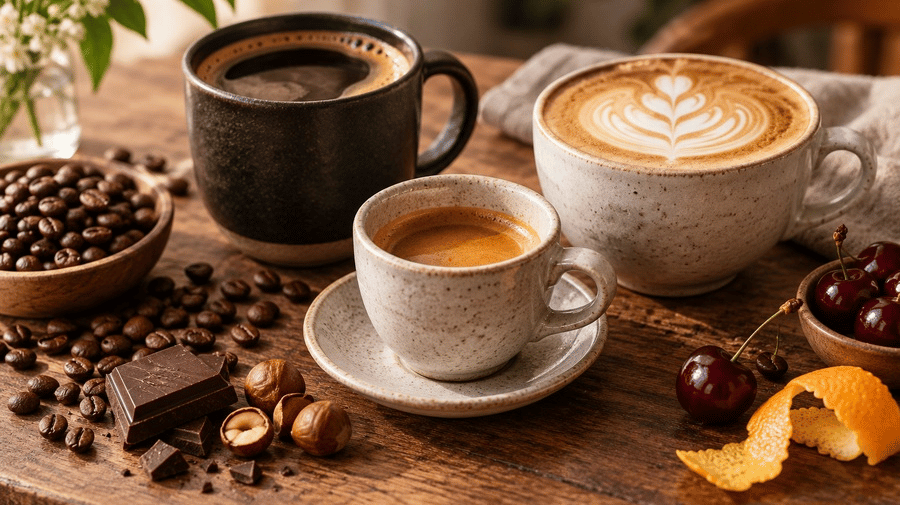

Weekday coffee often has a job to do. It needs to fit between the alarm, breakfast, traffic and everything waiting at work. Weekend coffee can be different. With a little more time, the same daily drink becomes an opportunity to slow down, notice the aroma and enjoy the process as much as the result.
A satisfying coffee ritual does not require an expensive equipment collection or a complicated recipe. It begins with freshly roasted coffee you genuinely enjoy, a brewing method that suits your home and enough attention to repeat what works.
The aim is not to turn Saturday morning into a technical exercise. It is to remove the rush, make a few deliberate choices and create a cup worth sitting down for.
Why Weekend Coffee Feels Different
When there is no pressure to leave immediately, small details become easier to notice. You can smell the coffee as it is ground, watch how the water moves through the bed and taste the cup as it cools. Those observations help you understand what sweetness, body, acidity and finish mean in practical terms.
The extra time also makes it easier to correct one thing at a time. If the coffee tastes thin, bitter or unexpectedly sharp, you can make a modest change to the grind, dose or brewing time on the next cup. Over several weekends, those small adjustments build consistency without turning coffee into a science project.
Keep a House Coffee and an Explore Coffee
One of the simplest ways to make weekend brewing more interesting is to keep two coffees available for different purposes.
· Your house coffee: a dependable blend or familiar single origin that tastes balanced with your usual equipment and milk preference. It is the easy choice when you want a comforting cup without experimentation.
· Your explore coffee: a contrasting single origin or filter-style roast selected for a different aroma, processing method, origin or flavour profile. It gives you something new to notice when you have time to pay attention.
The contrast matters more than buying two coffees that sound impressive. If your house coffee is rich, chocolatey and full-bodied, try something brighter or more fruit-driven as the second option. If you normally drink black filter coffee, an expressive seasonal single origin may reveal more differences than another similarly styled blend.
If you are deciding where to begin, our guide to choosing coffee for your taste preference explains how body, sweetness, acidity and flavour descriptions can help narrow the range.
Choose a Brewing Method to Match the Morning
There is no compulsory weekend brewing method. The right choice is the one that gives you the kind of morning you want.
· Plunger: relaxed, forgiving and ideal for making several cups to share. Its longer contact time often suits coffees with chocolate, nut and caramel character.
· Pour-over or filter: a calm, hands-on process that can reveal more clarity and separation between flavours, particularly in lighter or filter-focused coffees.
· AeroPress: quick enough to remain convenient but flexible enough for recipe changes and comparison brewing.
· Stovetop: familiar, aromatic and well suited to a richer cup that can be enjoyed black or with milk.
· Home espresso: the best option when the ritual includes grinding, dosing and adjusting the extraction to produce a concentrated cup with body and sweetness.
Do not feel obliged to choose a method because it appears more serious. A beautifully made plunger can be more enjoyable than a badly adjusted espresso. Fresh coffee, an appropriate grind and a repeatable routine matter more than the prestige of the equipment.
For the practical settings, use the JustFreshRoasted coffee grind size guide rather than trying to make one grind work across every brewer.
Taste the Coffee Without Overthinking It
Coffee tasting language can sound intimidating, but you do not need to identify a list of exotic flavour notes. Start with broad questions that describe your actual experience.
· Aroma: Does the coffee smell sweet, nutty, chocolatey, fruity, spicy or roasted?
· Body: Does it feel light and tea-like, rounded and creamy, or heavy and syrupy?
· Balance: Does one element dominate, or do sweetness, acidity and roast character sit comfortably together?
· Finish: Does the flavour disappear quickly, remain pleasantly, or leave bitterness and dryness behind?
· Enjoyment: Most importantly, would you happily make another cup?
Taste the coffee when it is hot, warm and closer to room temperature. Heat can hide detail, while a cooler cup often makes sweetness, fruit character and unwanted bitterness easier to recognise. There is no need to force a tasting note simply because it appears on a product page.
Try a Simple Side-by-Side Comparison
If you want to understand two coffees more clearly, brew them side by side using the same method, water, dose and serving size. The exercise is useful precisely because everything except the coffee remains consistent.
Take a first sip from each cup, then move between them as they cool. One may feel heavier, sweeter or more familiar; the other may be brighter, cleaner or more aromatic. The comparison gives those descriptions a reference point and makes it easier to decide what you prefer for espresso, milk coffee or slower black brewing.
You do not need formal scoresheets. A few plain notes such as “richer with milk”, “brighter when cool” or “better after breakfast” are more useful than copying professional tasting language that means little to you.
For a deeper comparison of the two main styles, read single origin coffee versus blends.
Change Only One Brewing Variable at a Time
Making several changes at once makes it impossible to know which one improved the cup. Keep the coffee dose and water quantity stable, then adjust one variable on the next brew.
· If the coffee tastes weak or thin: try a slightly finer grind or a little more coffee.
· If it tastes harsh, dry or excessively bitter: try a slightly coarser grind or reduce the brewing time.
· If it tastes sharply sour or underdeveloped: try a slightly finer grind, a longer contact time or sufficiently hot water.
· If the cup is enjoyable: write down what you did before the details disappear from memory.
Small adjustments are usually more helpful than dramatic corrections. The goal is not to chase a mythical perfect recipe but to find a dependable result that suits your palate and equipment.
Make Weekend Coffee Easy to Share
A coffee ritual can be private, but weekends also create time to brew for other people. A plunger or batch brewer keeps conversation moving when several cups are needed. Espresso works well for a smaller group if you enjoy making each drink, while offering black coffee and milk separately lets guests adjust the cup themselves.
When brewing for others, choose the reliable house coffee rather than using guests as unwilling participants in an experiment. Save the adventurous coffee for anyone who is genuinely curious, then compare the two without insisting that one must be better.
Browse freshly roasted coffee blends for dependable, balanced options that work well as a household coffee.
Buy Enough for Your Real Routine
A weekend ritual may use less coffee than a daily office routine, so pack size matters. Buying a large quantity can appear economical, but it is poor value if the final cups are consumed after the aroma and character have faded.
Estimate how many coffees the household actually makes each week and order accordingly. Keep beans sealed in their original bag, away from heat, moisture and direct sunlight, and grind only what you need immediately before brewing whenever possible.
Our guide to the optimal quantity of coffee to purchase can help match pack size and ordering frequency to the way you drink coffee at home.
A Simple Weekend Coffee Ritual
· Choose the mood: decide whether you want something familiar and comforting or a coffee to explore.
· Select the brewer: use the method that suits your available time and the number of cups required.
· Prepare consistently: measure the coffee and water so an enjoyable result can be repeated.
· Remove distractions: give the brewing process a few uninterrupted minutes rather than treating it as another background task.
· Taste as it cools: notice broad changes in aroma, body, sweetness and finish without searching for a correct answer.
· Record what worked: one short note about the grind or recipe is enough to guide the next weekend.
· Sit down and enjoy it: the pause is the point of the ritual, not merely the preparation.
Make Better Coffee Part of the Weekend
The best weekend coffee ritual is one you look forward to and can repeat. It does not need elaborate equipment, strict rules or specialist vocabulary. A good coffee, an appropriate brewing method and a few unhurried minutes are enough.
Begin with one reliable house coffee and one contrasting coffee to explore. Brew carefully, make only small changes and let your own taste decide what deserves another cup. Over time, that relaxed routine will teach you more than chasing every new technique or piece of equipment.
Explore premium single origin coffee beans from JustFreshRoasted and choose something distinctive for your next slow weekend brew.